Displaying the Past: Museum Studies Short Course
Displaying the Past: Museum Studies CPD Award (Level 8 Module)
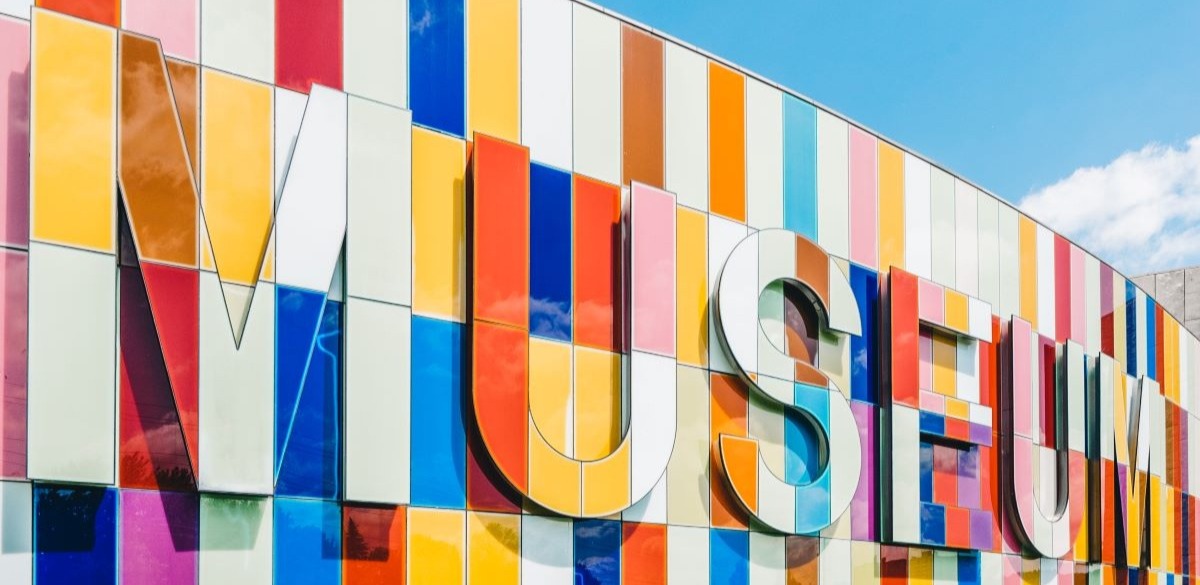
Ever wondered how our favourite stories and history are kept alive?
Have you ever walked into a historic space, looked at a fascinating object, and wondered how it got there or who decided its story was worth telling?
You don’t need to be a history buff or planning a career in heritage to enjoy Displaying the Past: Museum Studies. This module is designed for anyone curious about how culture is shaped, packaged, and shared with the world. Through real-world case studies, engaging reports, and behind-the-scenes stories, we explore how the museum industry operates both in the UK and globally. It’s a fascinating look at how we connect with the past and why it matters today.
To apply, click on the 'Apply Now' button which will take you through to the UHI course application page.

How the Module Works
This course is fully online and self-directed, giving you the ultimate flexibility to dive into the weekly materials whenever it suits you best. While there are no live weekly lectures, you won't be working in isolation. The schedule includes:
- One introductory tutorial to get you settled.
- Two student-led tutorials (Weeks 4 and 9) to collaborate on group tasks.
- Two live discussions (Weeks 5 and 10) with active professionals working across the Highlands and Islands network, giving you a chance to hear firsthand insights from the field.

What We Cover
- Instead of just dry theory, we look at the actual mechanics of the industry, from how items are discovered and tracked (cataloguing and accessioning) to how institutions earn their official stamp of approval (accreditation).
- Throughout the course you will engage in weekly tasks, embark on independent field trips, and write an essay. Best of all, you will get to channel your own creativity by designing a publicly available online exhibition, allowing you to share a story you care about with the world.
- Whether you are looking for a unique perspective on culture or just want to try something completely different, this module offers a fresh, modern look at how the past meets the present.

Weekly Summary
| Week | Content |
|---|---|
| 1 | What is a museum, why are museums relevant, accreditation and ecomuseums |
| 2 | Museum management, who does what in a museum, museum managers and health and safety |
| 3 | Accreditation, benefits, and the paperwork involved |
| 4 | Documentation, its importance, relevance, the procedures and policies involved |
| 5 | Discussion week with museum professionals |
| 6 | Interpretation (engage, reflect, inspire), and oral history |
| 7 | Archaeology from dig to display, case study, treasure trove |
| 8 | Readability, ekarv, fog, didactics & semiotics |
| 9 | Research, guidance, exhibition planning, and outreach |
| 10 | Discussion week with museum professionals |
| 11 | Collecting, costs and disposal, ethics, what should be collected |
| 12 | Rural and folklife, the future |

Assessment
- You will create a portfolio of work made up of weekly tasks and visits to museums, write various short reports amounting to around 2,000 words, and will create your own online virtual exhibition of an object. You will also work together as a class on the collaborative exhibition front image.